
How Hardscaping and Landscaping Work Together
Creating an attractive and functional outdoor space involves more than planting flowers, maintaining a lawn, or installing decorative features. A well-designed landscape combines natural elements with permanent structures to create an environment that supports relaxation, entertainment, and everyday activities. Understanding how hardscaping and landscaping complement each other can help property owners make informed decisions about improving their outdoor spaces.
Landscaping focuses on living elements such as trees, shrubs, flowers, and grass, while hardscaping incorporates structural features like patios, walkways, retaining walls, and outdoor seating areas. When these elements are thoughtfully integrated, they contribute to a cohesive design that balances visual appeal with practical functionality. Experienced hardscaping contractors help establish the structural foundation that allows surrounding greenery to thrive while ensuring outdoor spaces remain accessible and inviting.
Creating a Balanced Outdoor Environment
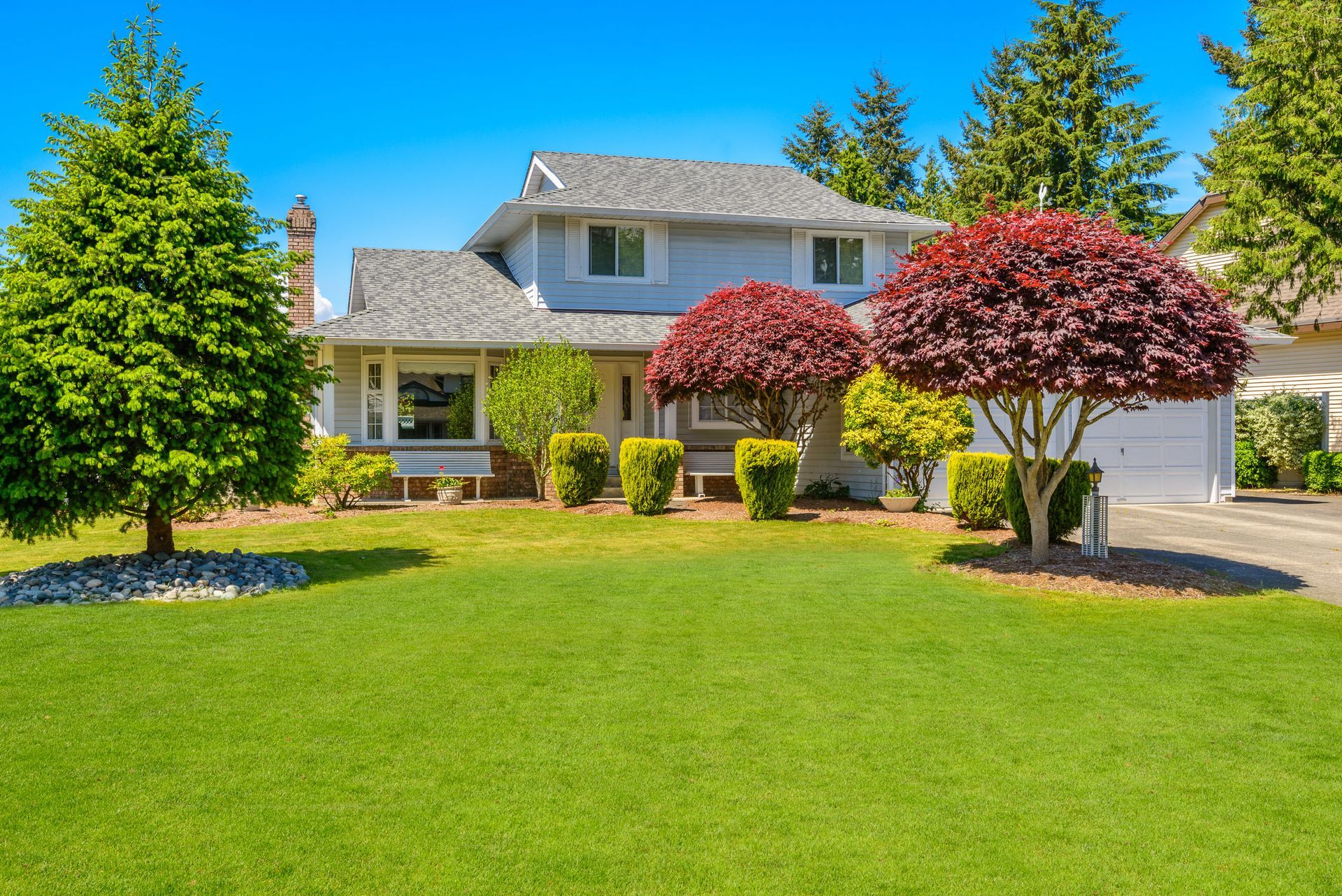
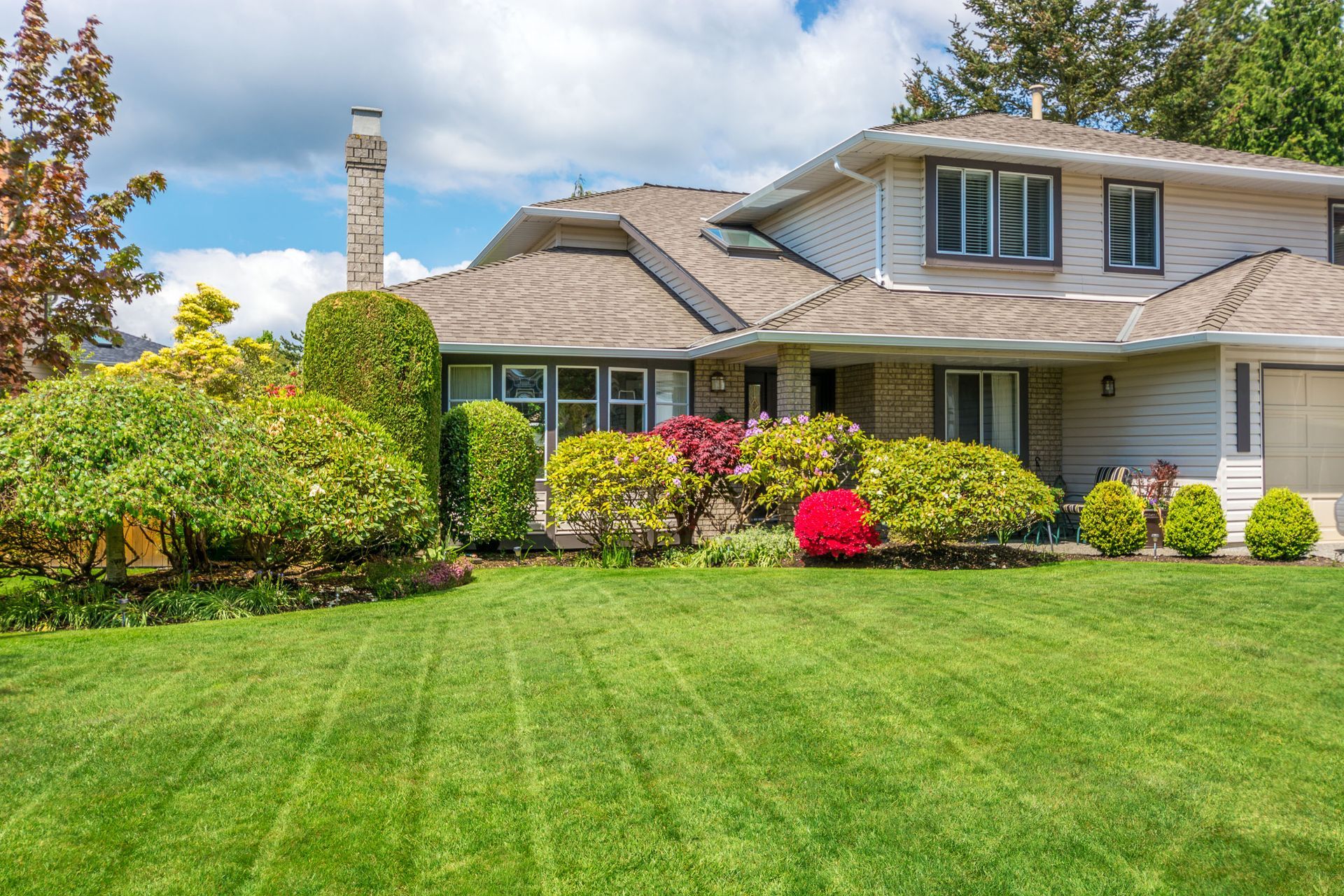
Successful outdoor design begins with understanding how natural and constructed elements interact. Landscaping introduces color, texture, movement, and seasonal variation, while hardscaping provides definition, stability, and organization. Combining these features creates visual balance and prevents an outdoor space from feeling either overly developed or excessively crowded with vegetation.
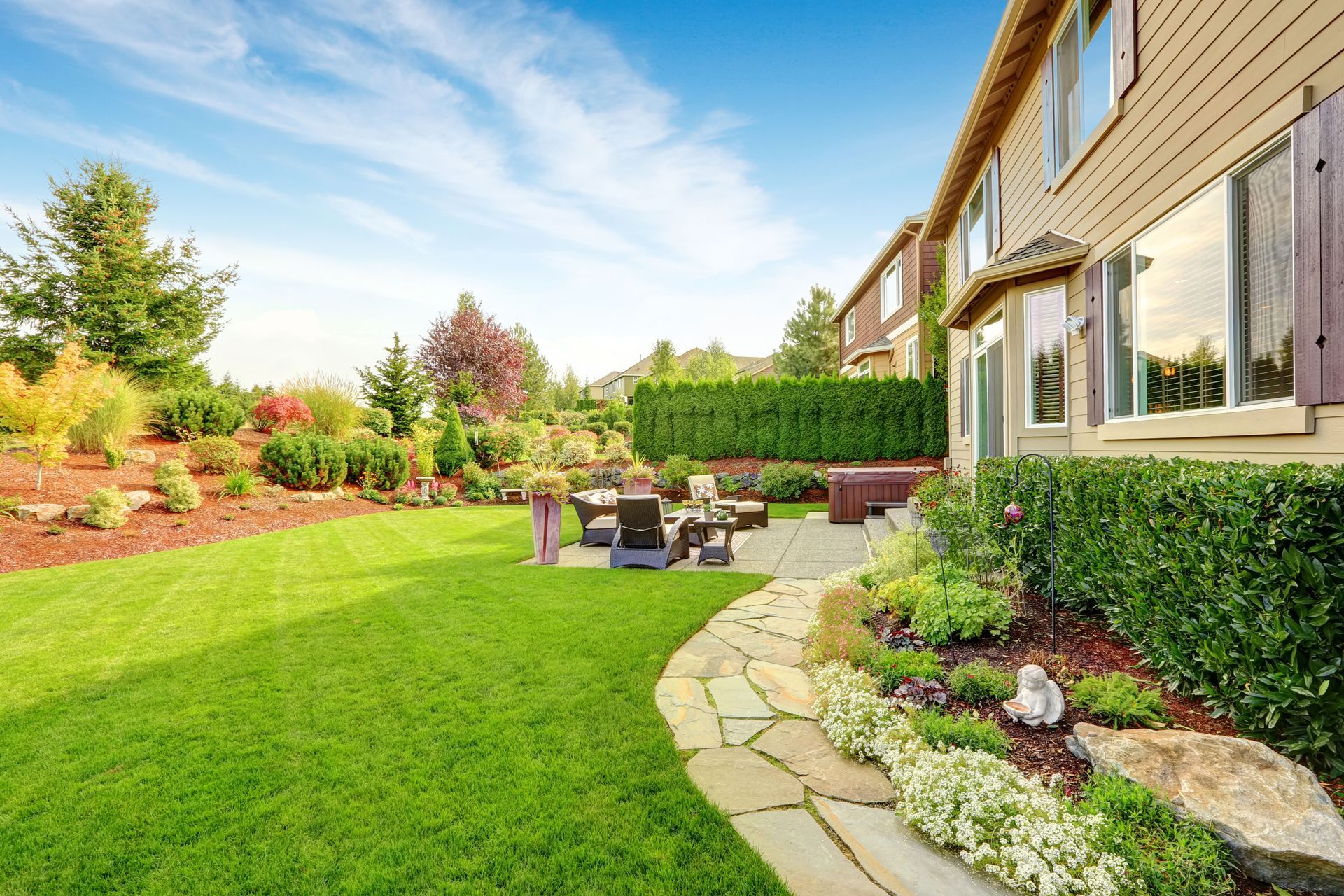
For example, a stone walkway surrounded by ornamental plants offers a welcoming transition between different areas of a yard. Similarly, a patio bordered by flowering shrubs can create a comfortable gathering space while maintaining a connection to nature. These combinations soften the appearance of structural materials and give outdoor areas a more natural atmosphere.
Professional hardscaping contractors consider the proportions of paved surfaces, planting beds, and open spaces when developing outdoor designs. Their expertise helps ensure that structural additions complement existing vegetation rather than overpowering it. A balanced approach also allows individual landscape features to stand out without competing for attention.
Improving the Functionality of Outdoor Spaces
Outdoor spaces should accommodate the activities and routines of the people who use them. Hardscaping establishes designated areas for dining, entertaining, walking, and relaxing, while landscaping enhances comfort and creates an inviting atmosphere around these spaces.
Patios provide stable surfaces for outdoor furniture and gatherings, while surrounding trees and shrubs can offer shade, privacy, and protection from wind. Walkways connect different parts of a property, allowing people to move comfortably between entrances, gardens, and recreational areas without damaging planted surfaces.
Experienced hardscaping contractors evaluate how outdoor spaces will be used before recommending structural improvements. This planning process helps determine appropriate materials, layouts, and accessibility considerations while ensuring the finished environment supports everyday needs.
Enhancing the Visual Appeal of Landscaping
A visually appealing landscape benefits from contrast, repetition, and complementary materials. Hardscaping introduces architectural details that can highlight the natural beauty of plants while establishing a consistent design theme throughout an outdoor area.
Natural stone, brick, concrete pavers, and decorative gravel provide different textures and colors that can be coordinated with surrounding vegetation. For example, warm-toned paving materials may complement colorful flowering plants, while neutral stone surfaces can create a sophisticated backdrop for lush greenery.
Skilled hardscaping contractors help select materials that complement the architectural style of a property and the overall landscape design. Consistent material choices can connect separate outdoor areas, making the entire property feel more cohesive.
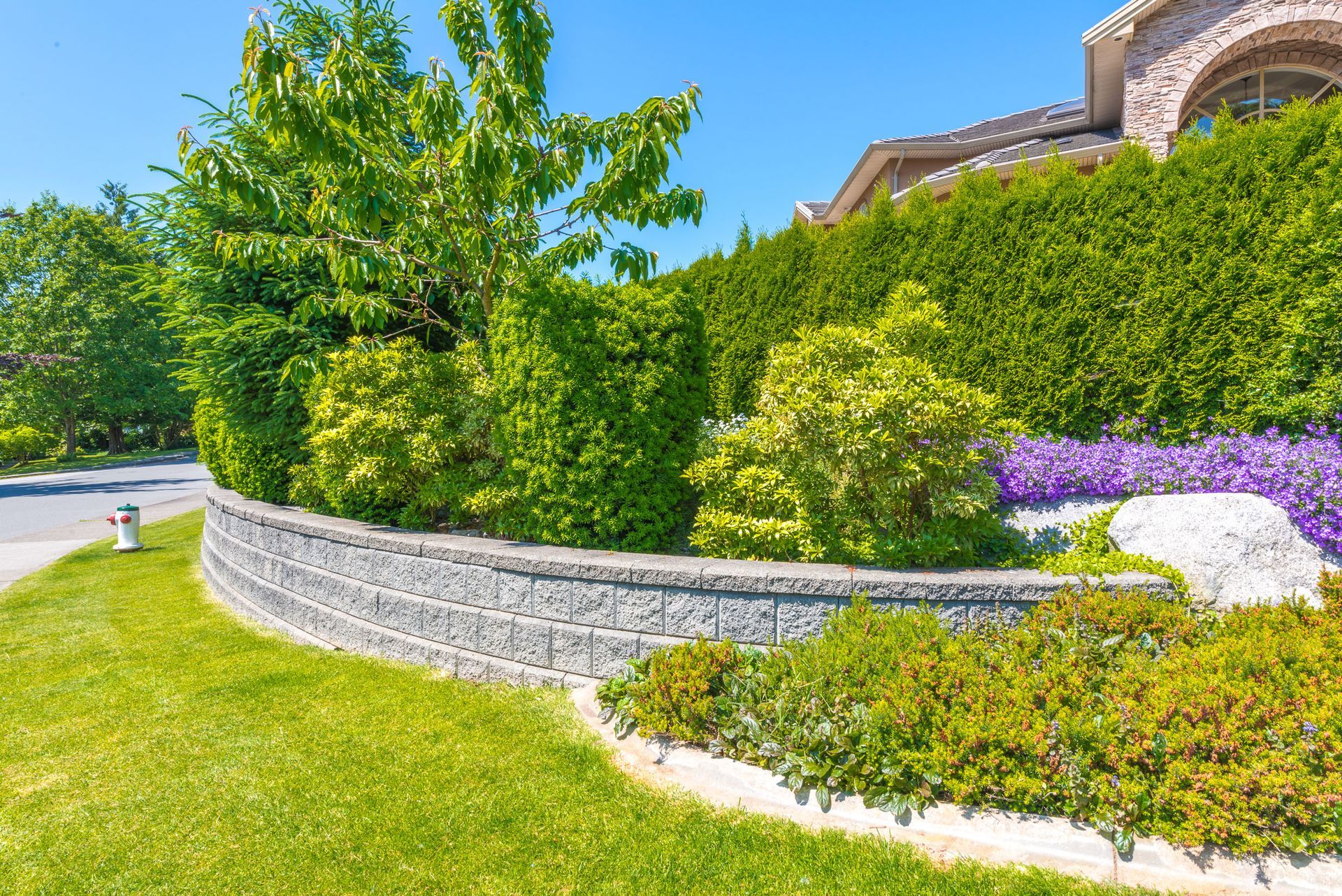
Plant placement also plays an important role in softening structural features. Cascading greenery along retaining walls, ornamental grasses beside walkways, and flowering borders around patios can reduce harsh visual transitions. These combinations encourage the eye to move naturally throughout the space, creating a more harmonious appearance.
Supporting Drainage and Soil Stability
Water management is an essential consideration when combining landscaping and hardscaping. Without thoughtful planning, runoff can accumulate near foundations, erode soil, damage planting beds, or create uncomfortable conditions around outdoor gathering areas.
Retaining walls, drainage features, and properly graded paved surfaces can help direct water away from vulnerable locations. Landscaping complements these structures by incorporating vegetation that supports soil stability and helps manage moisture within suitable planting areas.
Professional hardscaping contractors assess drainage patterns, ground conditions, and structural requirements when planning outdoor improvements. Their work helps reduce the likelihood of water-related problems while supporting the long-term performance of surrounding landscape features.
Plant selection is equally important. Vegetation should be appropriate for local soil conditions, available sunlight, and expected moisture levels. Plants with suitable root systems can help stabilize exposed soil, while strategically positioned planting beds may contribute to effective water management.
Increasing Comfort and Outdoor Enjoyment
Outdoor environments are most enjoyable when they offer a combination of comfort, accessibility, and natural beauty. Hardscaping creates dependable surfaces and permanent gathering areas, while landscaping contributes shade, privacy, and a peaceful atmosphere.
A seating area surrounded by greenery can feel more secluded than an exposed patio. Likewise, a garden pathway leading to a quiet seating space encourages people to explore their property and enjoy different perspectives of the landscape.
According to InsuranceBee, 80% of U.S. households participate in gardening or lawn care activities. This widespread involvement reflects the importance of maintaining outdoor environments and highlights opportunities to create spaces that are both attractive and enjoyable.
Experienced hardscaping contractors can help integrate seating walls, outdoor gathering areas, and connecting pathways into broader landscape plans. These improvements support comfortable outdoor living while allowing greenery to remain an important part of the design.
Comfort also depends on environmental conditions. Trees may provide relief from direct sunlight, while shrubs can create privacy around entertaining areas. Combining these natural benefits with thoughtfully positioned structures allows outdoor spaces to support a wider range of activities and preferences.
Encouraging Long-Term Landscape Sustainability
A successful outdoor design should remain functional and attractive as plants mature and environmental conditions change. Integrating hardscaping with landscaping requires consideration of future growth, routine maintenance, material durability, and the relationship between permanent structures and living elements.
Trees and shrubs need sufficient room to develop without interfering with pathways, walls, or patios. Similarly, paved surfaces should be positioned with appropriate consideration for nearby root systems and soil movement. Thoughtful planning helps reduce conflicts that could eventually require costly modifications.
Qualified hardscaping contractors consider these long-term relationships when designing structural landscape features. Their recommendations can help property owners choose durable materials and practical layouts that accommodate surrounding vegetation.
Maintenance requirements also influence sustainability. Appropriate plant selections, clearly defined planting areas, and accessible pathways can make routine landscape care more manageable. Durable structural materials further support long-term performance by reducing the frequency of repairs or replacement.
When hardscaping and landscaping are designed together, property owners can avoid fragmented improvements that may not work well as a complete environment. A coordinated approach promotes lasting visual consistency while supporting healthy vegetation and dependable outdoor structures.
Strengthening Overall Property Appeal
An attractive outdoor environment can influence how visitors, neighbors, and prospective buyers perceive a property. Well-maintained plants contribute freshness and natural character, while thoughtfully designed structural elements communicate organization and attention to detail.
Walkways establish inviting entrances, patios expand usable outdoor areas, and retaining walls can transform challenging terrain into more practical spaces. Surrounding greenery enhances these features and creates a welcoming impression.
Professional hardscaping contractors help property owners develop improvements that complement existing architecture and landscape characteristics. Rather than treating individual projects as unrelated additions, they can create unified designs that support both appearance and usability.
This coordination is particularly valuable when properties contain multiple outdoor features. Consistent materials, complementary planting arrangements, and clearly connected spaces help establish a polished appearance throughout the landscape.
Ultimately, the strongest outdoor designs balance structural reliability with natural beauty. This combination enhances the property’s character while creating spaces that remain useful and enjoyable for years to come.
Bringing Hardscaping and Landscaping Together
Hardscaping and landscaping serve different purposes, but their greatest benefits emerge when they are planned as complementary components of the same outdoor environment. Permanent structures provide organization, accessibility, and durability, while plants introduce comfort, visual softness, and seasonal interest.
Thoughtful integration also supports drainage, maintenance, and long-term landscape performance. By considering how structural elements interact with surrounding vegetation, property owners can create outdoor spaces that meet practical needs without sacrificing aesthetic appeal.
At Straight Paths Landscape & Design, LLC, we understand the importance of creating outdoor environments where natural beauty and functional design work together. Our team can help you explore landscape improvements that complement your property, support your goals, and enhance everyday outdoor enjoyment. Contact us today to discuss your vision and discover how we can help bring your ideal outdoor space to life.
Share On: