
8 Ways a Retaining Wall Can Transform Your Hardscape Design
Retaining walls have become essential structural and aesthetic features for homeowners looking to elevate their outdoor living spaces. Beyond simply holding back soil, they introduce organization, height variation, and functionality to yards of all shapes and sizes—making them a powerful addition to any hardscape design. And according to LawnStarter, retaining walls can potentially increase a home’s value by up to 15% while also helping it to sell faster, a compelling reason for homeowners to consider them as part of their improvement plans.
As more people look to upgrade their outdoor environments, retaining walls offer a perfect blend of beauty and performance. They serve both practical needs and creative aspirations, enhancing how people use and enjoy their yards. Whether used on sloped properties or flat landscapes, these structures open the door to countless design possibilities that transform simple yards into dynamic, multi-functional spaces.
1. Enhancing Usable Outdoor Space
One of the most impactful benefits of installing a retaining wall is its ability to turn uneven or sloped land into level, functional space. When steep areas are carved into flat tiers, homeowners can reclaim square footage that would otherwise remain unusable. This added room can accommodate patios, garden beds, seating areas, or even play zones. The transformation often feels dramatic, especially for homes built on inclines where outdoor space is limited from the start.
This conversion of steep ground into usable platforms can significantly strengthen the overall layout of your hardscape design. By giving you more workable surfaces, retaining walls also allow for more flexibility in planning how the yard will look and feel. Instead of battling the natural terrain, homeowners can shape it to support their lifestyle, creating spaces designed for comfort, entertainment, and visual appeal.
2. Preventing Soil Erosion
A common challenge in areas with uneven land or heavy seasonal rainfall is soil erosion. Without proper control, it can wash away valuable topsoil, damage plantings, and even compromise the health of structures nearby. Retaining walls offer a strong and stable barrier that keeps soil in place, preventing it from shifting or sliding over time. This not only preserves the integrity of the yard but also protects nearby elements such as pathways, driveways, and foundation walls.
The ability to stabilize soil is especially important in any hardscape design where longevity and durability matter. As erosion wears down unprotected slopes, the landscape becomes less predictable and more difficult to maintain. A well-engineered retaining wall ensures that soil movement is minimized and drainage is properly managed, helping the yard stay attractive and functional year after year.
3. Elevating Visual Structure
Retaining walls introduce height and depth to an outdoor setting, creating a layered appearance that adds sophistication to any property. The vertical presence of a wall draws the eye upward, providing contrast to flat surfaces like lawns or patios. This makes the overall environment feel more dynamic and visually engaging. Homeowners can also choose from materials to create a wall that complements their style and the architecture of the home.
These visual elements can greatly influence how a hardscape design comes together. A thoughtfully placed retaining wall helps organize the yard’s layout, guiding the viewer’s eye from one feature to the next. Whether paired with steps, lighting, or garden beds, walls contribute to a cohesive and layered aesthetic that enhances the overall beauty of the outdoor space.
4. Defining Outdoor Zones
Large or open yards can sometimes feel scattered or without a clear purpose. Retaining walls can solve this problem by providing natural separation between different functional areas. A wall might divide a dining patio from a garden area, or a children’s play zone from a quiet seating nook. This gentle segmentation helps establish intentional spaces without relying on fences or bulky structures that might interfere with the landscape’s natural flow.
The ability to create distinct outdoor rooms makes a meaningful difference in a hardscape design where organization and clarity matter. By giving each zone a clear boundary, the yard becomes easier to navigate and more enjoyable to use. Each area feels purposeful, improving the overall experience of spending time outdoors.
5. Supporting Planting Opportunities
Retaining walls open the door to vibrant planting arrangements by creating raised beds and terraced garden layers. These elevated spaces offer better drainage, improved soil depth, and easier access for planting and maintenance. Terracing can also turn steep, unusable slopes into lush garden features, increasing the yard’s greenery while adding visual interest. This makes retaining walls popular for homeowners who want to highlight ornamental plants, shrubs, or perennials.
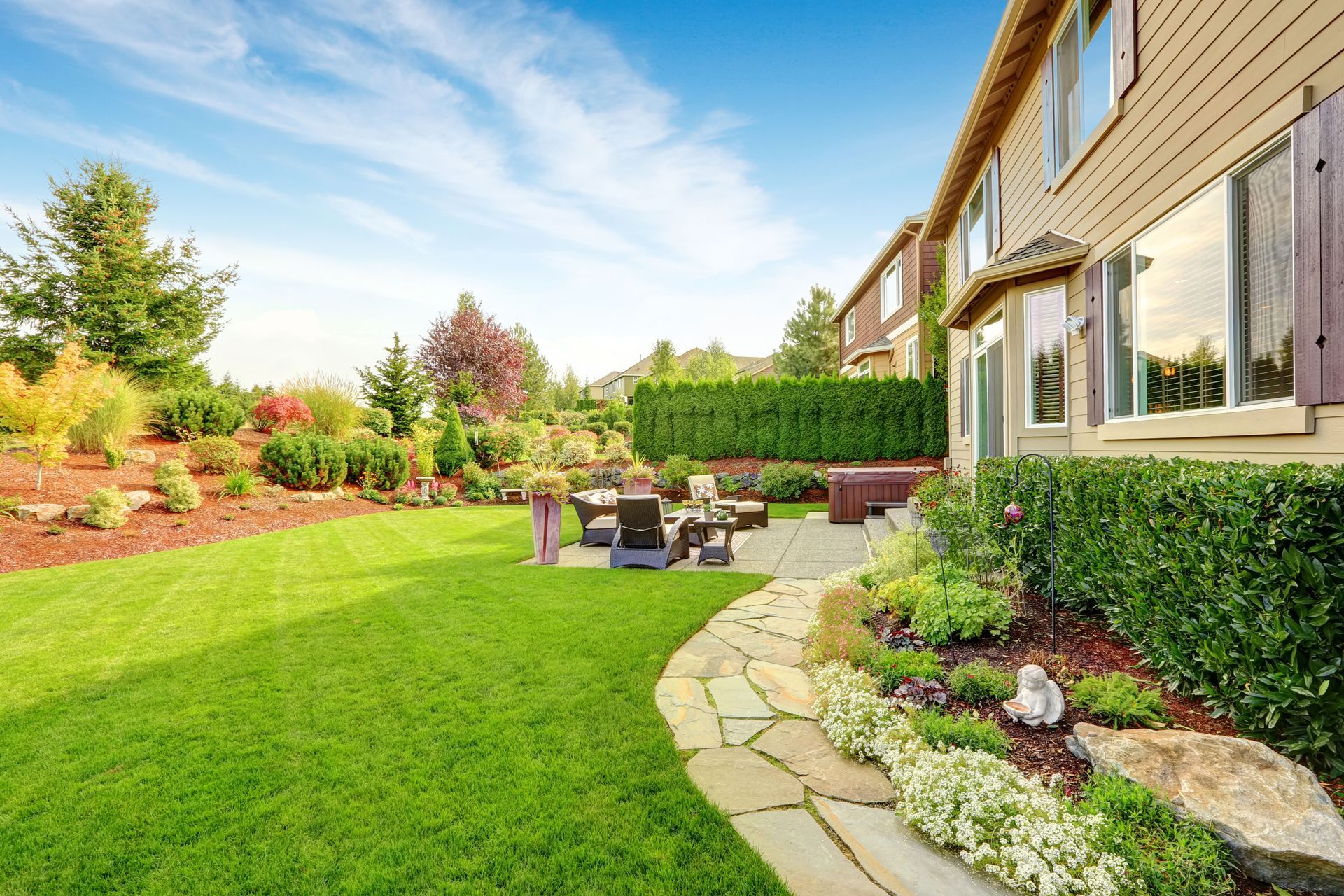
With these additional planting opportunities, the landscape becomes more cohesive and intentional, reinforcing the beauty of the hardscape design. The contrast between stonework and greenery provides a striking balance between natural and built elements. This harmony helps the yard feel more welcoming, polished, and thoughtfully designed, whether viewed up close or from inside the home.
6. Improving Drainage Management
Poor drainage can lead to issues such as pooling water, soggy soil, and damage to structural elements. Retaining walls often incorporate built-in drainage solutions, such as gravel, weep holes, or perforated pipes, to ensure water moves away from the home and flows safely through the yard. These features help prevent erosion, foundation problems, and plant stress caused by overly wet conditions.
Because drainage is essential for outdoor spaces to function well, its role in a hardscape design cannot be overstated. A retaining wall that manages water correctly supports the longevity of patios, walkways, and other landscape features. In addition to improving functionality, proper drainage also enhances comfort by eliminating muddy or flooded areas that might otherwise disrupt daily use.
7. Strengthening Property Boundaries
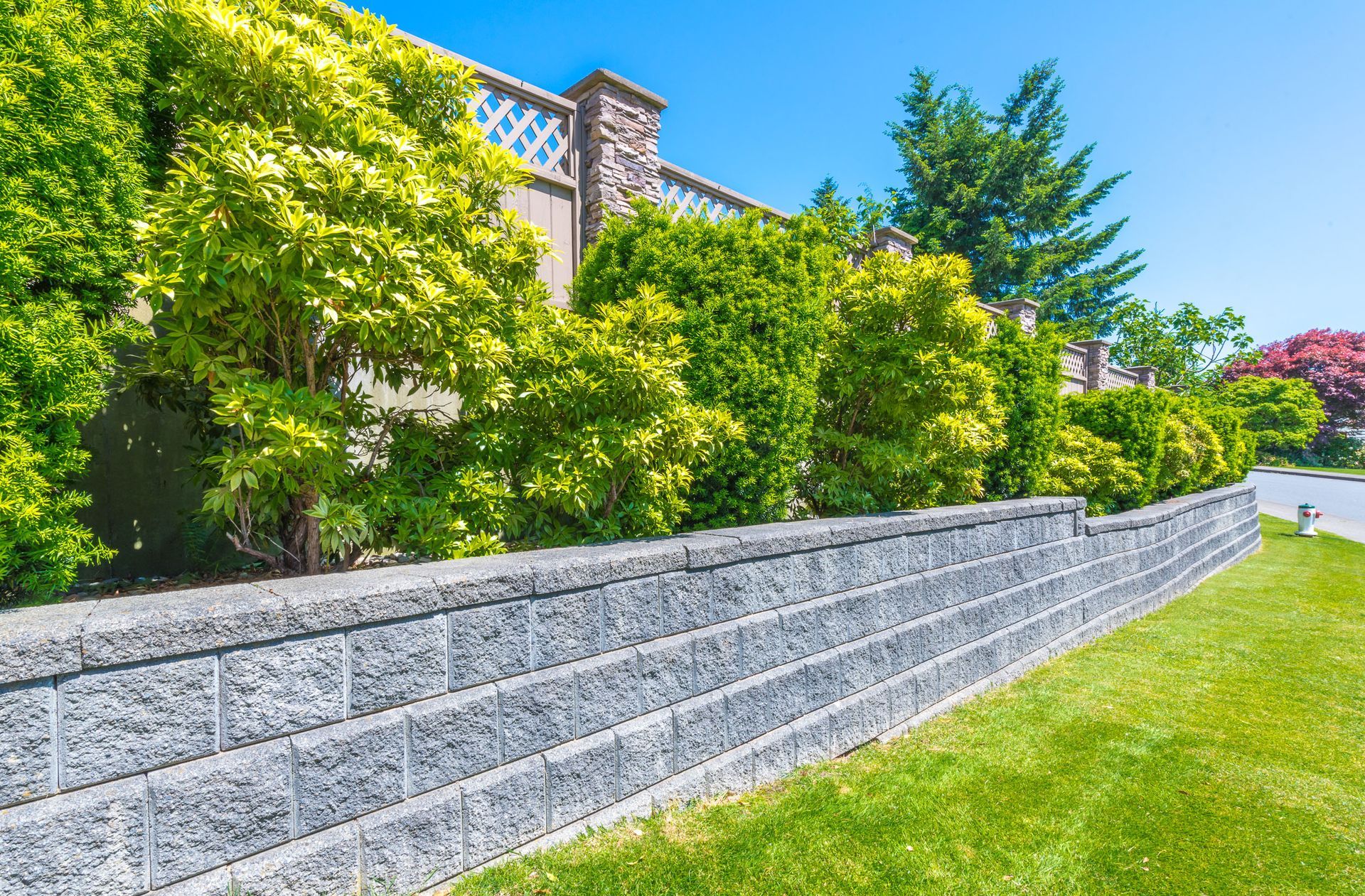
Retaining walls are often used to define property lines or reinforce the edges of a yard without resorting to tall fences or bulky barriers. When designed with attractive materials, they provide both form and function, marking boundaries while contributing to the aesthetic appeal of the outdoor space. These walls can also enhance privacy depending on their height and placement, creating a more intimate environment for relaxation or entertainment.
Beyond defining edges, boundary-based retaining walls can help correct grade issues between neighboring properties. By leveling or stepping down the land, homeowners can achieve a safer and more visually appealing layout. These boundaries feel natural and organic, offering structure without overwhelming the landscape.
8. Increasing Overall Design Cohesion
Retaining walls help unify various outdoor features by tying together materials, colors, and architectural elements. A consistent stone type used in both a patio and a retaining wall can instantly harmonize the space, making it feel cohesive and well-planned. These structural elements act as visual anchors, connecting pathways, seating areas, and plantings in a seamless way. This harmony makes the entire yard look polished and intentional.
Design cohesion is especially noticeable when retaining walls incorporate complementary lighting, textures, or accent features. Whether the goal is rustic warmth or modern simplicity, walls can support the desired aesthetic by creating consistent lines and shapes throughout the yard. As a result, homeowners enjoy an outdoor environment that feels unified rather than pieced together.
Retaining walls offer a powerful way to enhance beauty, stability, and functionality throughout an outdoor space. They not only support structural needs but also bring organization and elevated style to a landscape. When thoughtfully planned, they contribute significantly to the overall impact of a yard’s layout—an especially meaningful advantage in any hardscape design. And as noted earlier, retaining walls can provide financial benefits as well, since they can raise home value and reduce time on the market, according to industry insights.
If you’re ready to transform your outdoor space with a custom retaining wall, now is the perfect time to explore what’s possible. The experts at Straight Paths Landscape & Design LLC can help you design and build a solution that enhances both beauty and functionality. Contact us today to begin planning your upgrade.
Share On: